

Power & Plugs
The outlet may look wrong. Your charger may still be perfectly fine. Check the plug, voltage and frequency before you pack—or before you fry something expensive.
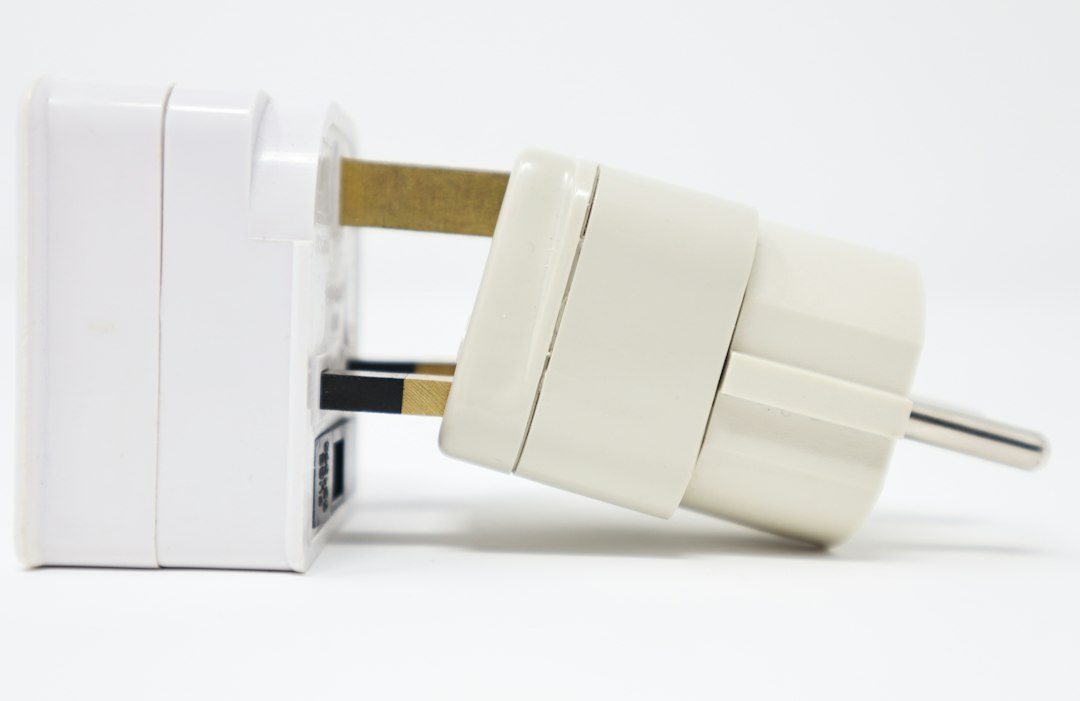
The 10-second version
An adapter changes the shape of the plug. A converter changes the voltage. Those are not the same thing.
If your charger says INPUT: 100–240V, 50/60Hz, it is designed for the common voltage and frequency ranges used around the world. In that case, you normally need only the correct plug adapter.
Hair dryers, curling irons, electric shavers and other heat or motor appliances are where travelers get into trouble. Check the label on the actual device before plugging it in.
Show this in the store
If language gets in the way, the picture is often faster than the explanation. Match the plug shape you need with what is on the shelf—or show the image to the clerk.
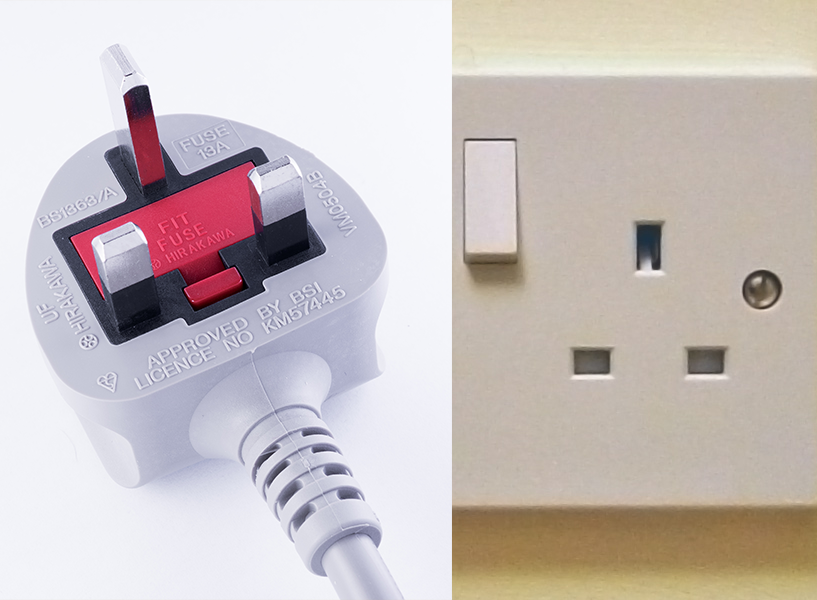
Popular destinations from the U.S.
This is the quick-reference table we wish somebody had shown us before the first international trip.
| Destination | Common plug | Voltage / frequency | U.S. traveler takeaway |
|---|---|---|---|
| Canada | A / B | 120V / 60Hz | Usually no adapter needed |
| Mexico | A / B | 127V / 60Hz | Usually no adapter needed |
| Dominican Republic | A / B | 120V / 60Hz | Usually no adapter needed |
| Ireland | G | 230V / 50Hz | Type G adapter |
| United Kingdom | G | 230V / 50Hz | Type G adapter |
| France | C / E | 230V / 50Hz | Continental Europe adapter |
| Spain | C / F | 230V / 50Hz | Continental Europe adapter |
| Italy | C / F / L | 230V / 50Hz | Adapter that covers Italy / Europe |
| Iceland | C / F | 230V / 50Hz | Continental Europe adapter |
| Japan | A / B | 100V / 50 or 60Hz | Plug may fit; check device voltage |
| Australia | I | 230V / 50Hz | Type I adapter |
Europe is not one plug
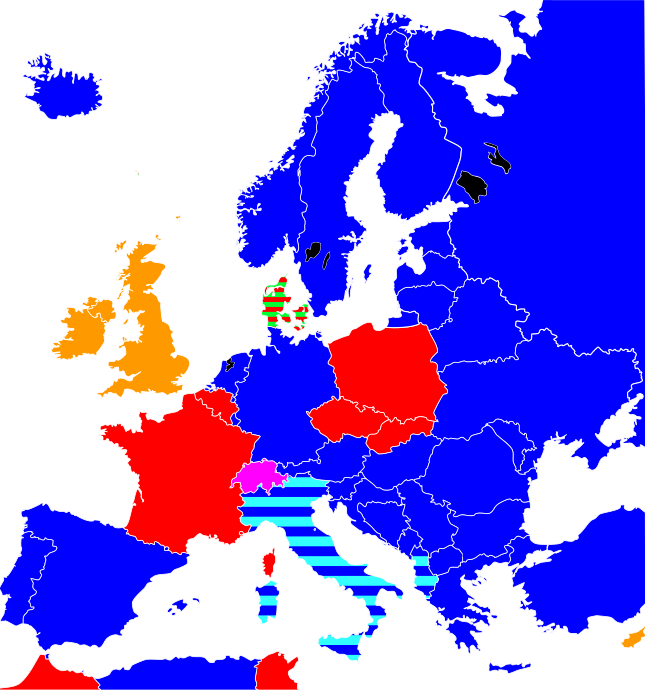
Ireland and the United Kingdom use Type G. France commonly uses C and E. Iceland uses C and F. Italy can use C, F and L. So the adapter that worked in Paris may not help you in Dublin.
Need to buy one?
We link to the actual product page, not a generic search result. Availability can change, so always confirm the plug type and your device voltage before buying.
Universal option
Anker Nano Travel Adapter
Supports Type A, C, G and I. It does not convert voltage.
Ireland / UK
Ceptics Type G Adapter
A straightforward Type G adapter for U.S. plugs. It does not convert voltage.
Retail pickup option
Epicka Universal Travel Adapter
Useful if you want a mainstream retailer option with multiple plug types and USB ports.
These are direct product links for convenience. We can swap them for affiliate links later without changing the recommendation itself.
Adapter only?
Phones, tablets, laptops and many modern USB chargers are commonly dual-voltage. Read the tiny print on the power brick. If it covers the destination voltage, use the correct plug adapter and move on with your life.
Converter needed?
If the label lists only 110–120V and your destination supplies around 220–240V, do not plug it in with a simple adapter. You may need a suitable voltage converter—or, often more sensibly, a travel-ready replacement.
Sources & checking
Plug, voltage and frequency data are checked against international plug/socket references and country-specific electrical guides. Device compatibility must always be verified on the device or charger itself. Outlet types can vary in older buildings, hotels and renovated properties.
IEC plug and socket standards reference · Apple USB power adapter specifications · Country plug and voltage reference